
Rides and Shows Biescope
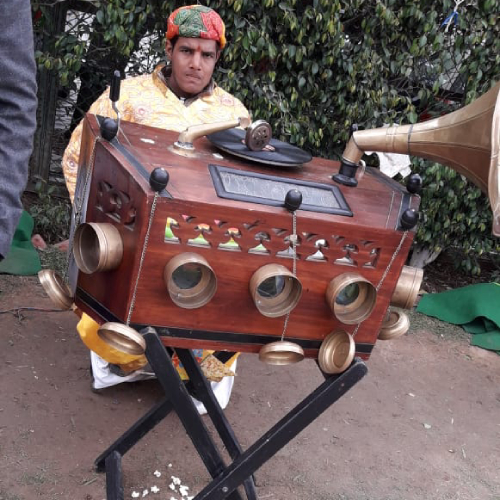
A bioscope is an old-fashioned term that historically referred to a motion picture projector or film viewer, particularly in the context of early cinema. The word itself is derived from the combination of two terms:
-
Bio – meaning "life" (from Greek "bios").
-
Scope – meaning "to view" or "to look at" (from Greek "skopein").
In the early 20th century, the bioscope was used to describe a type of film projector, particularly in India and some parts of the world. It was popularized during the time when cinema was first introduced, and people used the term to refer to a place where films were shown or even the machine used to project the images.
Key points about the bioscope:
-
Early Cinema: In its early form, bioscopes were not sophisticated compared to modern projectors. They were a crucial part of the early movie-watching experience, especially in the 19th and early 20th centuries.
-
Cultural Significance: In places like India, the term "bioscope" became a colloquial term for the cinema hall or theater itself, even after more advanced projection technologies came into play.
-
Transition in Meaning: Over time, the term "bioscope" has faded in common use, being replaced by terms like "projector" or "cinema," as the technology and the industry advanced.
-
Modern Usage: While rarely used today in the context of film technology, the term still evokes nostalgia for the early days of motion pictures and is sometimes seen in historical films or literature.
It’s a fascinating word because it represents a key moment in film history, a time when moving pictures were an innovative and magical experience for audiences.


